Newsletter


Our Newsletter
Connections
Nov
7
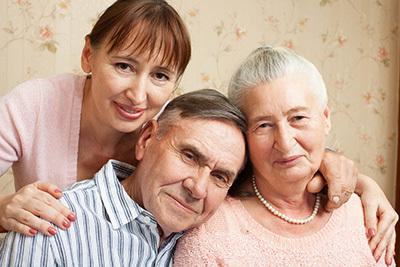
Time to Celebrate the Caregivers in Your Life!
November is National Family Caregivers Month. It's a time for us all to thank the caregivers who do so much.
Did you know this about caregivers?
Today, over 90 million Americans are caregivers for their loved ones. Many provide care 24-hours a day, 7-days a week.The average family caregiver is a working mother of school-aged children.Up to 70% of the time, the family caregiver—not the patient—manages medications.Six out of 10 family caregivers work full- or part-time. Most say they have to cut back on working hours, take a leave of absence, or quit their job entirely to give care.
Although caregiving can be a rewarding experience, it can lead to stress, poor health, and burnout. Here are a few ways you can show your appreciation to the caregivers in your lives:
Tell them how much you appreciate all their efforts. And tell them you love themEncourage them to make time for themselves in order to protect their own healthSend them a card or bouquet of flowersGo online and purchase a gift card to a bookstore, coffee shop, or museumWho doesn't like a nice meal? Send them a gift certificate for their favorite restaurantOffer a bit of respite care for your busy caregivers. Volunteer a few hours of your time a week to help them out—and to allow them some free time for themselves
These and other actions can help ensure that the caregivers in your life maintain their strength, energy, stamina, and positive attitude.
So, this November, let's all take the time to show our appreciation for the caregivers in our lives—the ones who do so much to improve our quality of life.
Oct
30
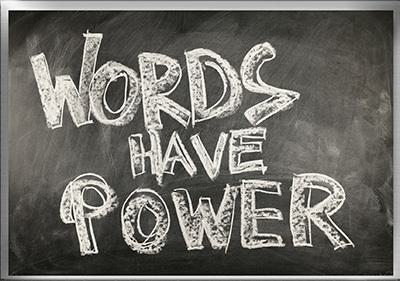
The Power of Words
Last week former President George W. Bush warned against the "casual cruelty" in our nation's discourse these days. He was warning against caustic language and damaging words.
Words have been on my mind all month because at this time of year, the Torah focuses upon their power.
Take the opening passages of the Torah itself, in which the world is created via language: "Yehi Or!" "Let there be light!" Yes, in our telling of the creation story, the universe comes into existence by way of verbal utterance. Our "Big Bang" is a big pronouncement. This is not to refute science. It is to teach us that words are so powerful that they can create worlds. We also know that words are powerful enough to destroy.
Consider how on the playground children will defend themselves against mean spirited language by saying, "Sticks and stones will break my bones but words will never harm me." It is a clever response but completely untrue. Few adults remember the physical pain from a scratch or scrape the way that they remember the sting of mean words hurled at them.
The second Torah portion, Noah, tells yet another story about speech. The Tower of Babel is built by people ambitious to reach the heavens. In an effort to explain why the earth is filled with so many different languages, the story goes that God adds languages to humanity to deter people from communicating well enough to grab too much power.
But my favorite Jewish text on the subject of speech is found in our prayer book. After the Amida, an extremely long prayer that is said both to oneself as well as aloud during Jewish prayer services, we come upon the following text:
"My God. Guard my tongue from evil and my lips from speaking guile. And to those who slander me, let me give no heed. May my soul be humble and forgiving to all. Open my heart, O Eternal, to Your sacred law, that Your statues I may know and all Your truth pursue…May the words of my mouth and the meditations of my heart be acceptable to You, O Eternal, my Rock and my Redeemer."
In this prayer, known as the "Elohai," we seek to avoid misusing our tongues and mouths to speak bad words about others. Is this just a prayer for avoiding gossip? Or is it more? How do we wish to use our "air time" with people, especially those closest to us? Do we want to waste a lot of time venting about others, speaking negatively to or about people, or do we want to use our "air time" elevating those around us with words of praise, gratitude and encouragement?
I have always believed that the reason that religious prayers offer praise of God and words of thanksgiving and awe is not because God needs to get a compliment. These prayers are designed to have us practice saying beautiful and kind things—for ourselves and each other.
Rabbi Karen BenderSkirball Director of Spiritual [email protected]
Oct
17
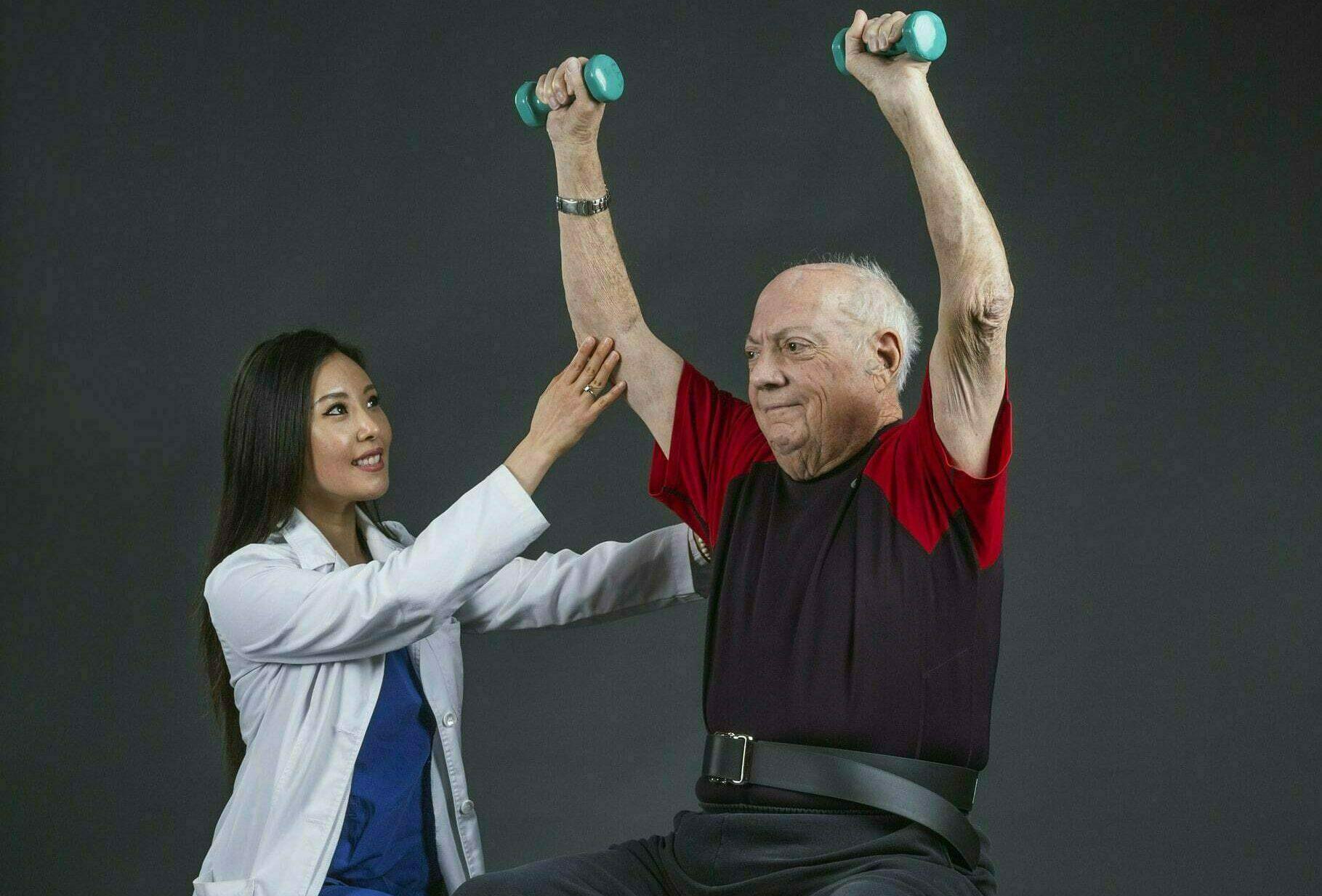
Short-Term Rehab
As we recover from an illness, injury, medical procedure or acute hospital stay, short-term rehab can be a crucial ally in putting us on the road to wellness. For seniors, this is especially true: The support short-term rehab provides is often a key factor in helping them regain self-sufficiency and return to their own homes or communities as quickly as possible.
The Advantages of Short-term Rehab.
Seniors working to get back on their feet can reap enormous benefits from short-term rehab. A surgery, illness or medical episode can leave seniors lacking the vital strength they need to care for themselves, and working with medical professionals who specialize in short-term rehab can help them rebuild that strength, restore their confidence, and prepare to reclaim their former independence.
How Short-term Rehab Helps
Short-term rehab serves as a bridge for seniors – facilitating their transition between hospital and home. It is geared to treat a broad range of conditions including:
Joint replacement rehabilitationOrthopedic post-hospitalization careStroke and neurological rehabilitationPost-medical and post-surgical recoveryAdaptive equipment instruction and conditioning
In short-term rehab, seniors focus on regaining critical function and recovering their physical, sensory and mental capabilities. They receive a wide variety of therapies and nursing services as they heal and make progress toward their ultimate goal: getting home as quickly as possible.
A number of things to keep in mind while evaluating potential options for short-term rehab are:
Defining short-term rehabKnowing what to look for in a short-term rehab facilityHoming in on short-term rehab that specializes in serving the elderlyFinding a short-term rehab that accepts Medicare
Short-term Rehab at the Jewish Home
When it comes to effective short-term rehab, the Jewish Home offers unparalleled expertise. Seniors in the Home’s Transitional Care Unit (TCU) are cared for by physicians and geriatric specialists in physical, occupational, and speech therapy. They also enjoy full access to all of the Home’s cutting-edge clinical and support services.
The Jewish Home short-term rehab team integrates state-of-the-art medical care and prescribed therapies with personal coaching, counseling, and nutritional guidance. Seniors spend an average of two to six weeks in the TCU, though the unit accommodates stays of up to 90 days.
For more information about short-term rehabilitative care and physical therapy at the Jewish Home, please contact our Connections to Care® hotline at (855) 227-3745.
Oct
11
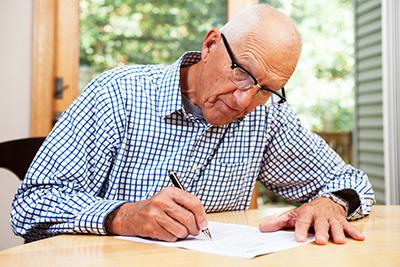
Long-Term Care: What’s Your Plan?
October is Long-Term Care Planning Month. If you're a senior and haven't started planning, it's time to begin! Plan now while you have time to choose how and where you receive care, if needed, in the future. That's something your family will also appreciate.
What exactly is long-term care?
Long-term care refers to services and support you may need to meet your personal care needs. Most long-term care is not medical care, but rather assistance with the basic personal tasks of everyday life, sometimes called Activities of Daily Living (ADLs). These include bathing, dressing, toileting, transferring (walking), eating, and maintaining continence.
Who needs long-term care?
70% of people age 65+ can expect to use some form of long-term care during their lives. Women are more likely to need long-term care than men because they outlive men by an average of five years.
Who provides long-term care?
Many people receive long-term care from family or friends in the comfort of their home. Also, services are offered by public and private organizations, such as home care agencies: home-delivered meals, supervised adult day programs, plus the assistance of visiting nurses, therapists, or home care aides.
Some people decide to move to a long-term care facility, including:
Continuing care retirement communities, which typically offer services such as housekeeping and diningAssisted living, for people who need help with personal care like bathing or getting dressedAround-the-clock care at a nursing home for people with greater health-related needsWho pays for long-term care?
Long-term care can be costly, and most health insurance plans, Medicare, and even Medicaid don't cover many fees.
Planning on planning long-term care?
Make the Los Angeles Jewish Home part of your long-term care plan. Our senior-focused Connections to Care® program can connect you to the type of long-term care you may need: residential care, independent living, assisted living, Alzheimer's disease and dementia care, and skilled nursing.
Even though October is Long-Term Care Planning Month, in reality, every month should be. Because the best time to plan for long-term care is before you need it. The best time is now!
To learn more about long-term care at the Jewish Home, click here or call our Connections to Care® hotline at (855) 227-3745.
Oct
2

The 4 Rules of Food Safety
Healthy eating should be a priority throughout our lives. As we age, it becomes an important factor in staying active and independent. Planning our meals with a focus on getting the right nutrients and maintaining a healthy weight will give our immune system a boost. Plan your meals to maximize nutrients by including lean protein, fruits and vegetables, whole grains, and low-fat dairy.
Seniors may become more susceptible to foodborne illnesses as their immune system weakens and stomach acid decreases, leaving bodies unable to fully fight the bacteria or virus causing the illness. For older adults age 65+, the results can be dangerous, even fatal.
If you have ever experienced a foodborne illness, commonly known as food poisoning, you know it is extremely unpleasant, to say the least. Nausea, vomiting, diarrhea, even body aches, fever and headaches combine to create quite the memorable experience. This takes a toll on the human body at any age, often resulting in dehydration and an overall feeling of weakness.
The good news is we can take action to prevent contracting foodborne illnesses by following 4 basic food safety rules:
CLEAN. Washing your hands frequently with soap and warm water throughout the food preparation process. Be sure to wash them again if you sneeze or cough. Also keep all surfaces clean, including counters, cutting boards, and tables as well as utensils.SEPARATE. Be sure to keep raw and cooked foods separate. While in the refrigerator, raw fruits, vegetables and ready-to-eat foods should be kept away from raw meats. During prep, clean surfaces and wash your hands after handling raw foods.COOK. Always cook foods to their proper temperatures. A food thermometercan ensure your food is cooked thoroughly all the way through. When preparing food in a microwave, make sure there aren't any cold spots that may contain bacteria.CHILL. Refrigerate foods promptly. Follow the 2 Hour Rule: Don't allow perishable foods to sit on the counter for more than 2 hours. Do not thaw meat on the counter! Toss any food not stored at the appropriate temperature for more than 2 hours.
There are also some foods that seniors should avoid or consider carefully before eating:
raw fishhot dogs and lunch meat unless heated to the appropriate temperatureraw or unpasteurized milk or fruit and vegetable juicesrefrigerated pates or smoked fishraw or lightly cooked eggsraw meat or poultryraw sprouts
So be careful about storing, preparing and eating food. By cleaning, separating, cooking, and chilling you can help prevent contracting a foodborne illness… at any age!
Sep
27

6 Reasons Why Seniors Should Make More of Social Media
You know the names: Facebook, Twitter, Instagram, YouTube. They’re seemingly everywhere and used by seemingly everyone.
In fact, according to the Pew Research Center, social media is becoming increasingly important for seniors. From 2013-2015, social media use by Americans 65 and older increased from 27% to 34%.
Younger senior citizens were more likely to use social media, with a Pew research study finding that 45% of those under 75 do so, versus 20% of those 75 and older.
Pew added social networking use is common among seniors with some college experience and an annual household income of at least $50,000.Studies also that show social media has become helpful in reducing isolation, loneliness, and other depressive symptoms.
Still, many seniors don’t use social media. And that’s unfortunate. Because social media offers many advantages.
Following are 6 reasons why you should make more of social media.
1. Get connectedSocial media gives you the opportunity to reconnect with old friends and make new ones. It’s a simple, entertaining way to learn about what your friends and family are doing—and let them know what you are doing. Sharing experiences is a great way to cement bonds with family and friends.
2. Be entertainedWhere else can you see a cat playing the piano, a man juggling a running chainsaw, and a concert pianist playing Bach—all for free? On your phone, on your computer, on your tablet. That’s entertainment!
3. Stay informedSocial media provides a powerful source of news and information. With a simple click, you can learn the latest in politics or the history of China—and so much more. Twitter is great for finding specific news sections you want to follow. Social media helps you get in the know.
4. Have your sayEverybody has an opinion. Social media provides a way to make your voice heard and engage in discussions with people who may (or may not) agree with you. Of course, the first rule in social media: be polite!
5. Check out dealsSocial media often runs ads targeted to your particular likes. It also frequently offers special deals to encourage you to purchase.
6. Watch for classes and eventsAre there any interesting classes or events being held nearby that might interest you? Social media will tell you where they are and when to go!
If you aren’t using social media, look into it. We think you’ll find it fun and informative.
Sep
18

Brandman Centers for Senior Care-PACE Program Celebrates Inaugural Recognition of National PACE Mon
For the first time, the nation will celebrate and recognize the work of Programs of All-inclusive Care for the Elderly (PACE®) by establishing September as National PACE Month. PACE coordinates and provides all needed preventive, primary, acute, and long-term care services to older adults allowing them to live at home in their communities.
In recognition of the first National PACE Month and National Fall Prevention Awareness Day (September 22), the Jewish Home's Brandman Centers for Senior Care (BCSC) will celebrate with weeklong interactive fall prevention activities.; From September 18th through September 22nd, BCSC participants and staff will engage in fun and educative fall prevention workshops, activities, demos, and raffles.
The PACE model of care is a fully integrated, provider-based model that revolves around an interdisciplinary team of doctors, nurses, therapists, social workers, dietitians, drivers, and others who provide direct care and services to meet program participant needs. Despite serving a very frail nursing home-eligible senior population, only five percent of participants are living in nursing homes at any given time. More than 90 percent of PACE participants say they are very satisfied with PACE and would refer PACE to a close friend.
Nationally, 122 PACE programs in 31 states serve more than 40,000 PACE enrollees. Currently, PACE organizations in California serve more than 7,000 participants at 37 PACE Centers and Alternative Care Sites in 12 counties, including Alameda, Contra Costa, Fresno, Humboldt, Los Angeles, Orange, Riverside, Sacramento, San Bernardino, San Diego, San Francisco, and Santa Clara. CalPACE also provides tremendous fiscal benefits to the state of California in savings of up to $19 million per year.
For more information about Brandman Centers for Senior Care and PACE, please visit our website at www.brandmanseniorcare.org or call (818) 774-8444.
Sep
13

6 ways to Celebrate Healthy Aging Month!
September is Healthy Aging Month. Here are 6 things you can do to maintain your health as you age.
1. Keep movingWant to maintain a healthy body and mind? Exercise! Doctors recommend you get at least two and a half hours of exercise a week. Belong to a gym? Go! How about a daily brisk walk with a friend or family—or the family pet—which bolsters both your heart and lungs? Practice yoga or tai chi to improve balance and help prevent falls. Dance or do yardwork. The point is, keep moving.
2. Eat rightRemember what your parents told you: eat lots of fruits and veggies. Beans and other high-fiber foods are excellent for digestive and heart health. Feeling lethargic? Eat iron-rich foods such as spinach, beans, dried fruit, and meats. Want a snack? Stay away from processed sugar foods. Try nuts, dried fruit or trail mix. And remember, September is still harvest season, so check out your local farmers market.
3. Get your sleepLike they say, sleep is the best medicine. If you have trouble sleeping, talk to a sleep specialist. And take cat naps. Healthy Aging® magazine reports people who take naps are 37% less likely to die from heart disease.
4. Be socialThere's a link between having active social ties and living a longer life. Spend time with family. See old friends and make new ones. Surround yourself with positive people who make you happy. Continue your old hobbies and find new ones you can do with your friends or alone.
5. Keep learningIt's never too late to learn something new! Learn how to paint, sculpt, or play a musical instrument. Take history or computer classes. Study archeology or architecture. Learn whatever interests you. Remember, when you learn, you grow. 6. Spend wiselyCreate a budget. It's important to know where your money is going. And reducing your expenses can help reduce stress in your life. Plus, the money you save can go toward activities you enjoy: traveling, hobbies, sports…whatever makes you happy and keeps you moving.
Celebrate Healthy Aging Month this month… and every month!
Sep
7

High Holy Days: A Time of Reflection and Promise
As we prepare for the High Holy Days, we reflect on the past and look toward the future. At the Los Angeles Jewish Home, we use the strong foundation of our history to build a bright future for our residents and their families.
This year has brought about big changes for the Home, particularly at our Grancell Village campus. In August, we completed demolition of approximately half of our Grancell campus. This is the first step to expanding our capacity to serve seniors in need of housing with assisted living, memory care, a community clinic and more.
While the change will ultimately result in an expansion of programs and services, it means the Home is unable to accommodate family members for High Holy Days services and meals at Grancell Village. We are very sorry for this inconvenience and the interruption in what is a long-standing tradition at the Home.
At Eisenberg Village, family members and guests are welcome to join their loved ones for services and meals throughout the High Holy Days. Services will be led by Rabbi Ron Goldberg and Cantor Joel Stern in the Ziman Family Synagogue. Please contact Allison Tepper at (818) 774-3386 or [email protected] for more information. Tickets must be purchased by September 13th.
At Grancell Village, residents and rehab patients will have the option of attending our mainstream services for Rosh Hashanah and Yom Kippur or a liturgical musical High Holy Days experience. All will be under the direction of Rabbi Karen Bender, director of spiritual life for the Jewish Home.
On behalf of the Los Angeles Jewish Home and our residents, we wish you a healthy and happy New Year!
L'Shana Tova!