Newsletter


Our Newsletter
Connections
Dec
8

Spending Time with Seniors Makes Their Holidays Happy
Holidays are a time for celebrations and for visiting family and friends. But sometimes the holiday season can also be a source of the blues for seniors, who may have lost loved ones or are experiencing health problems.
So, what is the best way to help seniors beat the holiday blues?
First, be sure to know the signs of depression. In addition to thoughts or discussion of suicide, they may include: changes in appetite and weight, sleeping much more than normal, lasting sadness, crying more often, feeling worthless, thinking more slowly, and generally losing interest. If you see any of these signs, encourage the person to talk with a healthcare provider…and also to talk with you.
In fact, spending more time with seniors is one of the best things you can do for them at the holidays. Here are 8 simple steps you can take to make the time you spend together enriching and help the seniors you love deal with the holiday blues:
1. Treat them to a night out.
Go out to dinner, a movie, or the theater or ballet. Or simply take a ride around the neighborhood to see menorahs and other holiday decorations. Or invite senior loved ones to your home for a party. Help arrange their transportation, if needed. If possible, even involve them in the party planning.
2. Bake sweet treats or make latkes together
Then share them with family, friends, and neighbors.
3. Shop together – out and about, or online
During this time of year, most stores have fun and festive decorations, so your outing can focus on window-shopping, if more appropriate.
4. Make seasonal crafts
Make holiday cards, knit hats or mittens, or flower arrangements. Time flies when you’re creating together.
5. Decorate the house
Break out the nosh and hot chocolate, and spend a fun-filled afternoon or evening decorating.
6. Wrap gifts together
What could be a chore can actually be quality time if you have fun wrapping gifts together.
7. Volunteer
Helping others can be really uplifting. Together with your senior, contact local schools, hospitals, and charitable organizations to learn about volunteer opportunities.
8. Talk
Just sit and talk…and truly listen. Encourage the seniors you love to express their feelings. It can help both you and your loved ones understand why they feel the way they do. And then you both can take steps together to help them feel better.
The holidays are a time to celebrate. You can help the seniors in your life kick the blues and feel the magic of the season by spending more time with them enjoying fun, simple activities.
An added benefit of spending time with seniors to help make their holidays happy: It’s infectious and bound to make your holidays happy too!
Dec
1
The Benefits of Social Connection
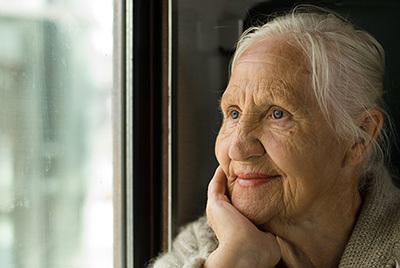
Most people feel lonely at one time or another during their lives. Loneliness occurs when someone feels emotionally disconnected, even if they are around others. Carried to the extreme is social isolation, or living in a situation where you have almost no contact with other people. The latter is becoming increasingly more common for seniors, and it can have significant health consequences.
For years, researchers looked at the role that chronic loneliness can play in people’s health. Studies showed that chronic loneliness or chronic isolation both can cause inflammation, high blood pressure, and reduced immunity. Loneliness and isolation cause the release of hormones like cortisol and epinephrine. These natural stimulants are normally helpful because they make us more alert during temporary stressful situations. However, long-term production of these hormones damage our bodies and make our cells age faster. Heart disease is more likely when these hormones stay elevated.
People with greater social connection had a 50 percent reduced risk of early death. Chronic loneliness, social isolation and living alone were risk factors for early death that exceeded the effect of other well-accepted risk factors such as obesity or cigarette smoking.
Many things can help to reduce the risks of developing chronic loneliness or isolation.
People planning for retirement can look into what opportunities their community provides to develop new social connections. The goal is to replace the social connections at the workplace with those at a gym, club, community center, religious institution, volunteer position, or by being a mentor.
With current technology it is easy to stay in your home and not venture out. Food and any other item one might need can be purchased online and delivered. When this becomes a habit, it can reinforce fear and create a cycle of complete social isolation. Breaking the cycle is easy just by becoming a regular at your favorite restaurant rather than ordering take-out.
Research suggests that a valuable defense against loneliness is to look for ways to form stronger relationships with a few others, rather than casual connections with several. For today’s generation that would mean using Facebook’s messenger more than posting on your home page.
It may take a combination of people wanting to reach out and others being willing to extend a hand for seniors to create a new meaningful connection. Various community resources, designed especially for those with advancing age, are often available.
Regular visits from home health care providers is another way to reduce loneliness and social isolation. Home health care agencies provide trained professionals whose presence provides social and emotional interaction (along with their medical and therapeutic services). In-home caregivers help with basic activities such as hygiene and dressing, and provide mental and physical stimulation. Regular visits from home health care professionals or in-home caregivers also monitor their client’s mental and physical condition, and they relay that information back the family, or the doctor. This addresses issues earlier before something catastrophic and life-changing occurs.
Most importantly, understand it’s OK to ask for help. If you find you are feeling lonely or fear you are becoming isolated, reach out to family, friends and neighbors. Ask for recommendations on activities and groups (even online) that can help you connect with others. With a little help, you can find your way out of loneliness and into a fuller, more meaningful life.
Nov
22

6 Reasons Why Gratitude Is a Healthy Attitude!
It's National Gratitude Month—a time to "accentuate the positive and eliminate the negative," as the song goes.
Turns out, being grateful is healthy. Here are six reasons why you should adopt gratitude as an everyday attitude:
1. Makes you feel good.
A 2009 National Institutes of Health study showed that acts of kindness and gratitude flood our brains with a chemical called dopamine, which gives us a natural "high."
2. Reduces anxiety and depression
Research has also shown that keeping a gratitude journal—noting people, places, and things for which you are grateful—or writing and sending thank-you notes increased long-term happiness by more than 10% and decreased depression by more than 30%.
3. Increases energy
Gratitude research has repeatedly shown that thankful people have higher energy levels, and are more relaxed, happier, and healthier.
4. Helps you sleep better
Numerous studies have shown that gratitude increases the quality of sleep, decreases the time it takes to fall asleep, and lengthens the duration of sleep.
5. Lowers blood pressure
A 2007 study demonstrated that people who kept a gratitude journal had a significant decrease in their blood pressure.
6. Decreases pain levels
In a study conducted in 2003, ill patients who kept a gratitude journal reported reduced pain symptoms.
So, this month—and every month—adopt an attitude of gratitude toward all the people in your life: family, friends, caregivers, and co-workers. You'll be grateful you did.
Nov
10

Our Residents Show Why the Jewish Home Is So Special
Our seniors love the Los Angeles Jewish Home. This Thanksgiving season, they had the chance to express all the ways the Jewish Home is so special to them.
Following are some of the reasons why our residents are so happy to be here.
1. Great medical care
Above all, our residents receive excellent healthcare. The Jewish Home exceeds their expectations with a wide range of services designed specifically to meet the medical needs unique to seniors.
2. Activities that keep minds sharp and bodies in shape
Our seniors really value all the life-affirming activities we offer – special programs to keep both minds and bodies active! Seniors can choose from a range of exercise classes, music programs, arts and crafts activities, and so much more.
3. The chance to make new friends
Meeting new people and making new friends is another reason why our seniors appreciate the Home. Our residents form deep, enduring friendships that enrich their lives.
4. A caring staff
Seniors appreciate that our staff is highly trained, knowledgeable, and professional. They also say our staff is exceptionally compassionate and caring. In fact, many of our team members form close relationships with our seniors. This is more than a job; it is a passion.
Our residents expressed other outstanding qualities of the Home. Two more we particularly want to recognize: our donors and our volunteers. Your contributions and your involvement make a very valuable, very important difference to our residents.
Thank you sincerely!
Want to learn more? We've created a short, entertaining slide show featuring our residents expressing why the Los Angeles Jewish Home is so special to them.
Watch now!
Nov
10
National Alzheimer’s Disease Awareness Month: Know the Signs and Symptoms
November is Alzheimer's Disease Awareness Month. Alzheimer's is a brain disease that causes a slow decline in memory, thinking and reasoning skills. According to the Alzheimer's Association, here are the 10 signs and symptoms of Alzheimer's:
Memory loss that disrupts daily life. One of the most common signs of Alzheimer's is memory loss, especially forgetting learned information. Others include forgetting important dates or events, asking for the same information over and over, increasingly needing to rely on memory aids (such as reminder notes or electronic devices) or family members for things they used to handle on their own.Challenges in planning or solving problems. Some people may experience changes in their ability to develop and follow a plan or work with numbers. They may have trouble following a familiar recipe or keeping track of monthly bills. They may have difficulty concentrating and take much longer to do things than they did before.Difficulty completing familiar tasks at home, at work or at leisure. People with Alzheimer's often find it hard to complete daily tasks. Sometimes, people may have trouble driving to a familiar location, managing a budget at work or remembering the rules of a favorite game.Confusion with time or place. People with Alzheimer's can lose track of dates, seasons and the passage of time. They may have trouble understanding something if it is not happening immediately. Sometimes they may forget where they are or how they got there.Trouble understanding visual images and spatial relationships. For some people, having vision problems is a sign of Alzheimer's. They may have difficulty reading, judging distance and determining color or contrast, which may cause problems with driving.New problems with words in speaking or writing. People with Alzheimer's may have trouble following or joining a conversation. They may stop in the middle of a conversation and have no idea how to continue or they may repeat themselves. They may struggle with vocabulary, have problems finding the right word or call things by the wrong name.Misplacing things and losing the ability to retrace steps. A person with Alzheimer's disease may put things in unusual places. They may lose things and be unable to go back over their steps to find them again. Sometimes, they may accuse others of stealing. This may occur more frequently over time.Decreased or poor judgment. People with Alzheimer's may experience changes in judgment or decision-making. For example, they may use poor judgment when dealing with money, giving large amounts to telemarketers. They may pay less attention to grooming or keeping themselves clean.Withdrawal from work or social activities. A person with Alzheimer's may start to remove themselves from hobbies, social activities, work projects or sports. They may have trouble keeping up with a favorite sports team or remembering how to complete a favorite hobby. They may also avoid being social because of the changes they have experienced.Changes in mood and personality. The mood and personalities of people with Alzheimer's can change. They can become confused, suspicious, depressed, fearful or anxious. They may be easily upset at home, at work, with friends or in places where they are out of their comfort zone.
If you notice any of the 10 Warning Signs of Alzheimer's in yourself or someone you know, don't ignore them. Schedule an appointment with your doctor. With early detection, you can get the maximum benefit from available treatments; explore treatments that may provide some relief of symptoms and help you maintain a level of independence longer; and increase your chances of participating in clinical drug trials that help advance research.
Nov
7

Short-Term Rehabilitation Facilities
Short-term rehabilitation facilities provide a customized level of nurturing and care for seniors and others as they work to regain their independence after an injury or illness. But not all short-term rehabilitation facilities are created equal: There are clear differences ranging from the services offered and the quality of staff to the emphasis of the organizational mission. Choosing whether short-term rehabilitation is for you—and identifying the best facility to meet your needs—comes down to evaluating some key criteria.
Why People Choose Short-term Rehabilitation Facilities
People turn to short-term rehabilitation facilities to help them recover from a surgery, hospitalization, or other serious medical problem. There are multiple benefits to selecting this path, including lower costs than hospitals or medical centers, a warmer, more nurturing environment, and numerous comforts and amenities. The licensed professionals at short-term rehabilitation facilities are uniquely focused on advancing patients' immediate objective: recovering sufficiently so they are ready to go home.
How to Find the Right Short-term Rehabilitation Facility
The goal of short-term rehabilitation is to ease the transition between hospital and home—but finding the right short-term rehabilitation center can make all the difference. There are a number of important considerations to keep in mind when evaluating your options. Reputation is at the top of the list: Is the short-term rehabilitation facility well reviewed by seniors (and their families) who have utilized its services? Is the staff qualified—and are staff members welcoming, compassionate, and eager to help? How is the physical environment? Does it feel clean and modern, and is there a positive, upbeat atmosphere? Does the staff work as your advocate and ally, both in terms of restoring physical and emotional health and also in working with your insurance provider?
Short-term Rehabilitation Facility Checklist
Additional questions to consider when determining whether a short-term rehabilitation facility is right for you include:
Does the short-term rehabilitation facility specialize in treating seniors?Are family members and private caregivers welcome at the facility, and are they encouraged to play a role in the patient's care plan?Does the facility make use of state-of-the-art technologies to speed and improve your recovery?Are the dining options appealing and nutritious?Are the rooms shared or private—and which one works better for you?Are there outlets for socializing with other patients in the facility?
Nov
7
Short-Term Rehab for Elderly
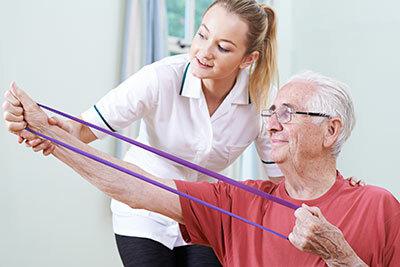
When seniors begin searching for the best fit in rehabilitation care, it pays to focus on facilities that specialize in short-term rehab for the elderly. Finding caregivers with the right expertise helps ensure a fuller, quicker recovery. Short-term rehab for the elderly offers other key benefits, as well, including a peer group of like-minded patients all working toward the same ultimate goal.
Why Experience Matters in Providing Short-term Rehab for Elderly
Short-term rehab for the elderly is most effective when it is provided by experienced professionals who understand the unique set of medical challenges seniors face. Those challenges include strain on aging bodies and minds, which necessitates prioritizing physical and emotional health as seniors work to regain their independence after an injury, illness or hospital stay. Natural loss of physical strength, feelings of powerlessness and isolation, difficulty reaching out for critical assistance—these can characterize seniors' physical and psychological profiles even before they confront an acute medical problem, and seasoned providers of short-term rehab for the elderly are skilled at helping them confront and cope with these issues in a positive and productive way.
Characteristics of High-quality Short-term Rehab for Elderly
It is important to take a methodical approach to evaluating short-term rehab for the elderly. Seniors and their caregivers should look at their options with an eye toward determining which one will provide them with the best:
Individualized care24-hour skilled nursing servicesWellness and enrichmentSubacute careFamily and discharge planning services
Choosing Short-term Rehab for Elderly that Meets Specific Needs
Also essential in selecting short-term rehab for the elderly is making sure it can accommodate seniors' specific needs for services such as:
Orthopedic rehabilitationOccupational therapyPhysical therapySpeech and language therapyNeurological rehabilitation
Nov
7
Short-Term Rehab and Medicare
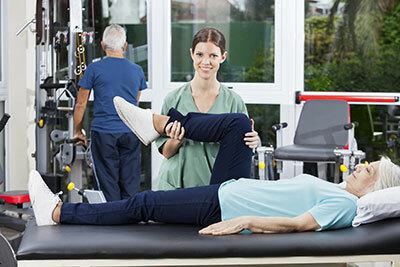
Many seniors are able to use Medicare to access high-quality, short-term rehab. Medicare is the federal health insurance program for people who are 65 or older, certain younger people with disabilities, and people with end-stage renal disease. Short-term rehab falls under Medicare Part A, and seniors can work with short-term rehab administrators to determine whether the government-provided insurance covers the services they need.
What to Know About Short-term Rehab and Medicare
Medicare Part A covers short-term rehab under certain conditions—and for a limited amount of time— in a skilled nursing facility.
Among the short-term rehab services allowed under Medicare are:
Skilled nursing carePhysical and occupational therapyMedicationSpeech-language pathology servicesMealsSemi-private roomMedical supplies and equipment used in the facility
Short-term Rehab and Medicare: How Patients Qualify
Medicare will cover short-term rehab if patients meet specific criteria—and assuming the skilled nursing facility in question is Medicare-certified. Those criteria include:
Patients must have Medicare Part A and have days remaining to use in their benefit period.There must be a qualifying hospital stay—an inpatient stay of three consecutive days or more.The services needed at a skilled nursing facility must be ordered by a physician.Patients must require the care on a daily basis, and the services provided must require inpatient residence at a skilled nursing facility.The care required must be for a medical condition that was treated during a qualifying three-day hospital stay—or that began while the patient was receiving skilled nursing care for a medical condition that was treated during a qualifying three-day hospital stay.The services must be deemed reasonable and necessary.
Making the Most of Short-term Rehab and Medicare
Seniors should feel comfortable engaging with the staff of their short-term rehab of choice to discuss Medicare and a host of related issues such as how their care is planned and their rights and protections under the law.
Nov
7

Short-Term Rehabilitation Definition
Finding a good short-term rehabilitation definition can help seniors determine whether short-term rehab is right for them. Understanding the range of options available makes it easier to achieve the best fit. There are many short-term rehabilitation definitions out there, but they all boil down to the same basic points.
What Is the Right Definition of Short-term Rehabilitation?
Recovering from an injury, illness, medical procedure, or acute hospital stay can take time. The definition of short-term rehabilitation is a suite of inpatient services designed to help seniors and others recoup their strength and prepare to regain their independence and resume their former lives. Patients in short-term rehab benefit from rehabilitative and skilled nursing care, typically offered in a warm, nurturing, technologically state-of-the-art environment that focuses on physical, occupational, and speech therapies, as well as addressing other critical needs.
Expanding Short-term Rehabilitation Definitions
Some providers of short-term rehab are better equipped—and more experienced—than others. Their expertise expands the definition of short-term rehabilitation to include addressing seniors' emotional well-being; catering to their unique nutritional needs; and enabling them to have a positive outlet for socializing and staying intellectually engaged. Identifying these providers takes asking pointed questions and talking to others who have utilized the service.
The Limitations of Short-term Rehabilitation Definitions
Sometimes, what people understand as the definition of short-term rehabilitation does not translate well in practice. Promotional literature can be helpful in evaluating a short-term rehab, but there is no substitute for seeing it in person and getting a first-hand sense of how rhetoric matches up with reality. Consider touring a facility to build your own definition of short-term rehabilitation and ensure you are making an informed choice of care providers.